Managing MS

The Difference Between Advanced and Progressive Multiple Sclerosis

The most well-known type of Multiple Sclerosis is Relapsing-Remitting MS (RRMS) in which the patient experiences a distinct onset of symptoms and significant improvement of the symptoms as the flare remits.  As this is a chronic disorder, repeated flares can cause permanent damage and therefore long-term and permanent disability.  The longer someone lives with MS, […]

The Difference Between Advanced and Progressive Multiple Sclerosis Read More »

Does MS directly cause depression or is depression a reaction to having MS?

There has been a longstanding debate as to whether depression, which is noted exceedingly frequently in MS patients, is caused by the disease state (in other words biologically distinct from depression that occurs in other neurologic and psychiatric conditions) or is a co-morbidity of MS (meaning that MS and depression tend to occur together but

Does MS directly cause depression or is depression a reaction to having MS? Read More »

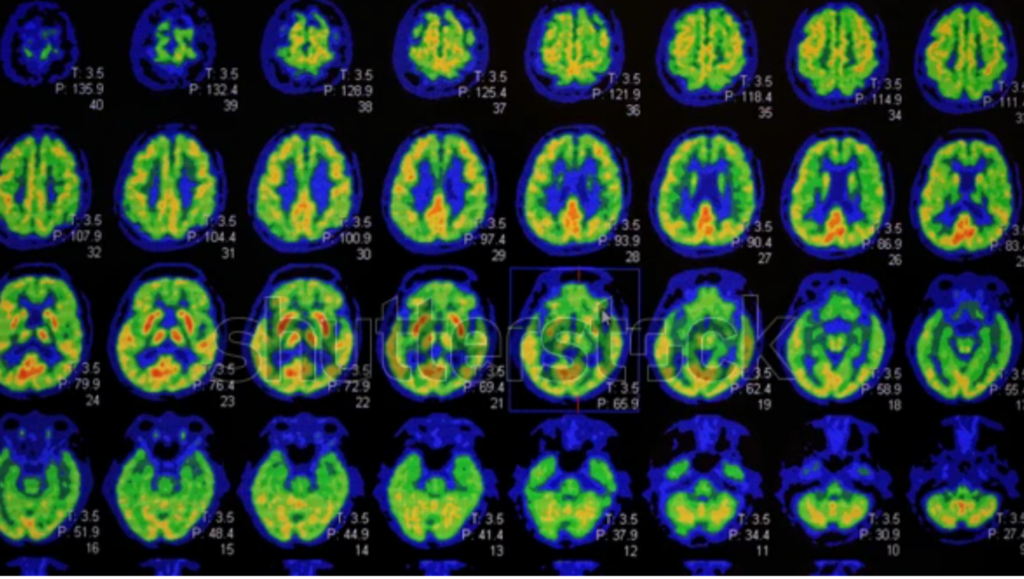
Imaging with PET Scans may reveal low-grade inflammation in MS patients

PET scans (Positron emission Tomography) is an imaging technique often used to detect the spread of cancer or changes in the brain associated with Alzheimer’s Disease. A recent publication reports that PET scans can reveal unsuspected smoldering inflammation in patients treated with disease-modifying treatments (DMT).  The existence of ongoing low-grade inflammation may help explain why

Imaging with PET Scans may reveal low-grade inflammation in MS patients Read More »

Skin Tests can detect some Neurodegenerative Disorders

Certain chronic neurodegenerative disorders, such as Parkinson’s Disease, have been linked to the presence of an abnormal form of a protein called alpha-synuclein. Approximately 2.5 million patients in the US suffer from synucleinopathies. Synucleinopathies are progressive neurodegenerative diseases, each with different prognoses.  Many often take years to diagnose as the initial signs are subtle and

Skin Tests can detect some Neurodegenerative Disorders Read More »

MS patients may feel depression as their Monoclonal Antibody Treatment “wears off”

While the “feel good effect” has long been associated with the use of the monoclonal antibody Natalizumab, there is now evidence that the wearing-off of this and other monoclonal antibodies is associated with depression.  In fact, more than half of MS patients treated with the monoclonal antibodies Ocrevus, Rituxan, and Natalizumab who were surveyed reported

MS patients may feel depression as their Monoclonal Antibody Treatment “wears off” Read More »

Gold may be Good for More than Jewelry for some Neurologic Patients

Patients with neurodegenerative disorders such as Multiple Sclerosis (MS) and Parkinson’s Disease (PD) may find hope in the most unlikely of resources: GOLD.  Researchers at the University of Texas Southwestern Medical Center have been testing the treatment of oral intake of gold nanocrystals in MS and PD patients suffering from problems in motor movement. MS

Gold may be Good for More than Jewelry for some Neurologic Patients Read More »

BeCare MS Link’s Assessment Equivalent to their Doctors’

Abstract Background: Lack of access to MS specialty care, exacerbated by the COVID-19 pandemic, has prevented many patients suffering from Multiple Sclerosis (MS) and other neurodegenerative diseases from receiving timely in-person care, resulting in less optimal care. As a result, there has been an increased adoption of remote patient monitoring, often employing machine learning as

BeCare MS Link’s Assessment Equivalent to their Doctors’ Read More »