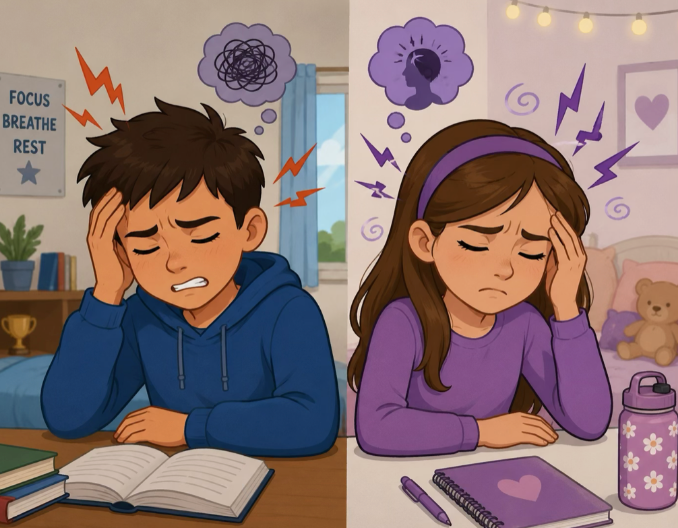
Many people think of migraine as an adult condition, but migraine is actually very common in children and teenagers. In fact, migraine affects approximately 10% of school-aged children and becomes increasingly common during adolescence. For many families, one of the most common questions is: “Will my child grow out of their migraines?” The answer depends on several factors, including age, gender, family history, and the specific migraine pattern.
Migraine Looks Different in Children
Migraine symptoms in children can be different from those seen in adults. While adults often experience one-sided head pain lasting several hours to days, children frequently have headaches on both sides of the head and attacks that may last only a few hours.
Children with migraine may experience:
• Moderate to severe headache pain
• Nausea or vomiting
• Sensitivity to light and sound
• Dizziness
• Abdominal pain
• Fatigue
• Difficulty concentrating
Some children may even experience migraine variants, such as abdominal migraine or cyclic vomiting syndrome, before developing more typical migraine headaches later in life.
Does Gender Matter?
Before puberty, migraine affects boys and girls at similar rates. In fact, young boys may have slightly higher rates of migraine than girls.
However, this changes dramatically during adolescence.
As puberty begins, migraine becomes much more common in girls. By late adolescence, girls are approximately two to three times more likely to experience migraine than boys. Researchers believe hormonal fluctuations, particularly changes in estrogen levels, play a major role in this difference.
For many teenage girls, migraines may become associated with menstrual cycles, often occurring just before or during menstruation. These hormonal migraines can continue into adulthood.
Boys, on the other hand, are more likely to see improvement in migraine frequency during their teenage years.
Will My Child Grow Out of Migraines?
The encouraging news is that many children experience significant improvement as they get older.
Studies suggest that approximately 50% to 60% of children with migraine will see their headaches improve substantially or even disappear for periods of time during adulthood. However, migraine is considered a lifelong neurological condition, meaning there is always the possibility that symptoms can return later in life.
Several patterns are commonly seen:
• Some children stop having migraines altogether as they enter adulthood.
• Many individuals experience a significant reduction in migraine frequency.
• Some children continue to struggle with migraine into adulthood.
What Predicts a Better Outcome?
Several factors are associated with a higher likelihood of migraine improvement:
• Male gender
• Earlier age of migraine onset
• Lower headache frequency
• Good sleep habits
• Regular physical activity
• Effective management of triggers
Helping Children Manage Migraine
Parents can help by encouraging consistent sleep schedules, adequate hydration, regular meals, routine exercise, stress management, and limiting excessive screen time.
The good news is that migraine is highly treatable. Early recognition, healthy lifestyle habits, and appropriate medical care can help children thrive. The BeCare Headache App can help. Based on established guidelnes, BeCare can offer a presumptive diagnosis to help direct you as to what type of doctor can be of most help. The tracker of frequency and symptoms can help guide you and your child’s clinician as to what treatment is most appropriate. Most importantly, the quantitative neurologic exam in the form of game-like activities on the phone may help detect an underlying condition. Be Aware with BeCare. Become empowered and be a driver in your and your child’s headache journey.