Managing MS

𝗧𝗵𝗲 𝗙𝘂𝘁𝘂𝗿𝗲 𝗼𝗳 𝗕𝗹𝗼𝗼𝗱 𝗧𝗲𝘀𝘁𝘀 𝘁𝗼 𝗗𝗶𝗮𝗴𝗻𝗼𝘀𝗲 𝗮𝗻𝗱 𝗠𝗼𝗻𝗶𝘁𝗼𝗿 𝗠𝘂𝗹𝘁𝗶𝗽𝗹𝗲 𝗦𝗰𝗹𝗲𝗿𝗼𝘀𝗶𝘀

𝗧𝗵𝗲 𝗙𝘂𝘁𝘂𝗿𝗲 𝗼𝗳 𝗕𝗹𝗼𝗼𝗱 𝗧𝗲𝘀𝘁𝘀 𝘁𝗼 𝗗𝗶𝗮𝗴𝗻𝗼𝘀𝗲 𝗮𝗻𝗱 𝗠𝗼𝗻𝗶𝘁𝗼𝗿 𝗠𝘂𝗹𝘁𝗶𝗽𝗹𝗲 𝗦𝗰𝗹𝗲𝗿𝗼𝘀𝗶𝘀 If you have multiple sclerosis (MS), you know MRI scans and neuro exams remain the foundation for diagnosing MS and monitoring disease activity. Researchers are now studying blood tests that may one day give doctors additional information about what is happening inside the brain […]

𝗧𝗵𝗲 𝗙𝘂𝘁𝘂𝗿𝗲 𝗼𝗳 𝗕𝗹𝗼𝗼𝗱 𝗧𝗲𝘀𝘁𝘀 𝘁𝗼 𝗗𝗶𝗮𝗴𝗻𝗼𝘀𝗲 𝗮𝗻𝗱 𝗠𝗼𝗻𝗶𝘁𝗼𝗿 𝗠𝘂𝗹𝘁𝗶𝗽𝗹𝗲 𝗦𝗰𝗹𝗲𝗿𝗼𝘀𝗶𝘀 Read More »

𝗦𝗲𝘅, 𝗜𝗻𝘁𝗶𝗺𝗮𝗰𝘆, 𝗮𝗻𝗱 𝗠𝘂𝗹𝘁𝗶𝗽𝗹𝗲 𝗦𝗰𝗹𝗲𝗿𝗼𝘀𝗶𝘀

Sexual health is an important part of overall well-being, yet it is one of the least discussed symptoms of multiple sclerosis (MS). Studies suggest that 50–80% of women and 40–70% of men with MS experience sexual dysfunction. These issues can occur early or later in the disease and affect people regardless of age or relationship

𝗦𝗲𝘅, 𝗜𝗻𝘁𝗶𝗺𝗮𝗰𝘆, 𝗮𝗻𝗱 𝗠𝘂𝗹𝘁𝗶𝗽𝗹𝗲 𝗦𝗰𝗹𝗲𝗿𝗼𝘀𝗶𝘀 Read More »

Pregnancy and Multiple Sclerosis

Pregnancy is a time of excitement, anticipation, and worry for all women. But for most women living with Multiple Sclerosis (MS), there are more questions and more worry.  The reassuring news is that, in most cases, women with MS can have healthy pregnancies, healthy babies, and successful postpartum recoveries. MS is a chronic autoimmune disease

Pregnancy and Multiple Sclerosis Read More »

When Does Multiple Sclerosis Start? Understanding Onset Across Ages

When does MS start? Multiple sclerosis (MS) is a chronic neurologic condition caused by repeated inflammatory attack (or flares) on the central nervous system (the brain and spinal cord). Because the central nervous system controls most cognitive, motor, balance and sensory systems, these flares are expressed in many different ways- such as fatigue, imbalance, motor

When Does Multiple Sclerosis Start? Understanding Onset Across Ages Read More »

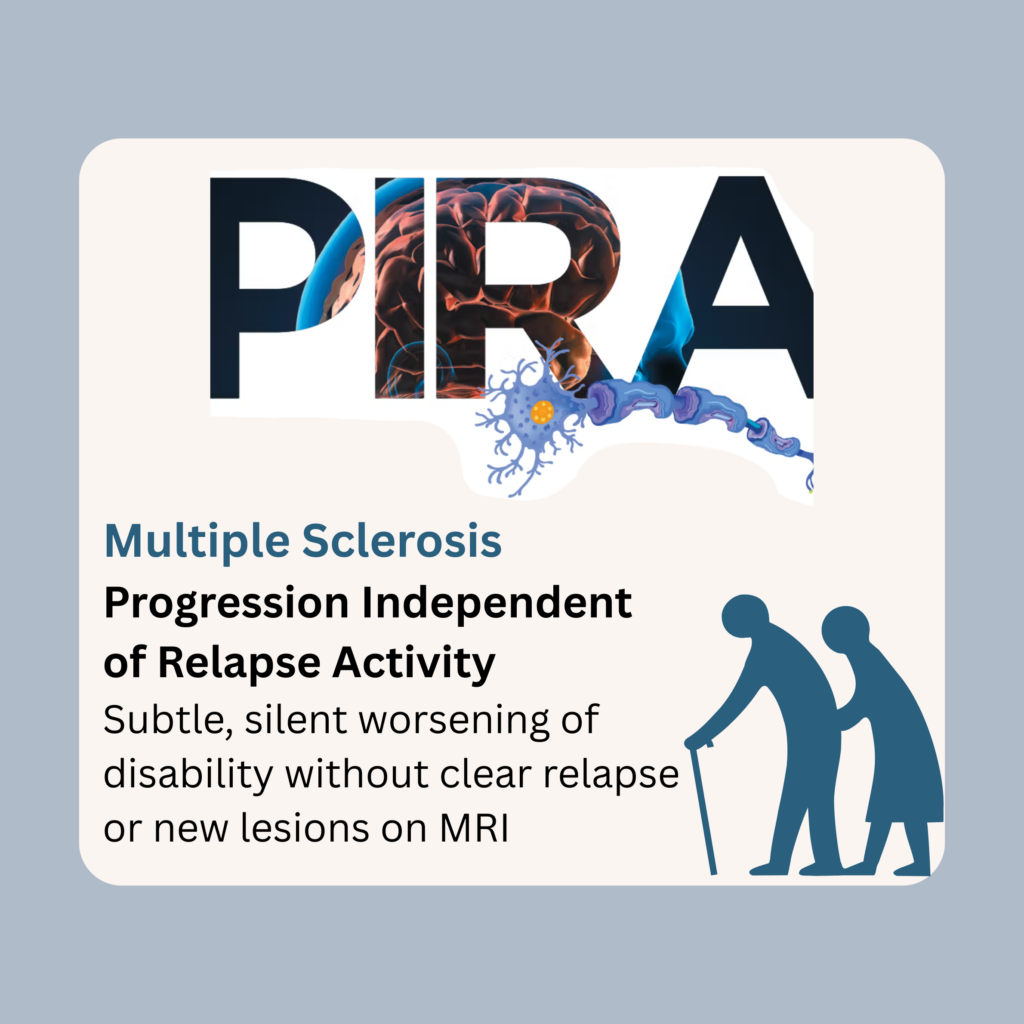
What is PIRA in MS?

The most common form of initially diagnosed MS (multiple sclerosis) is Relapsing Remitting MS, accounting for 85-90% of presenting patients.  RRMS is characterized by distinct relapses followed by periods of partial or complete recovery.  Over time, some patients transition to secondary progressive MS in which disability increases without distinct flares. The other traditionally recognized forms

What is PIRA in MS? Read More »