
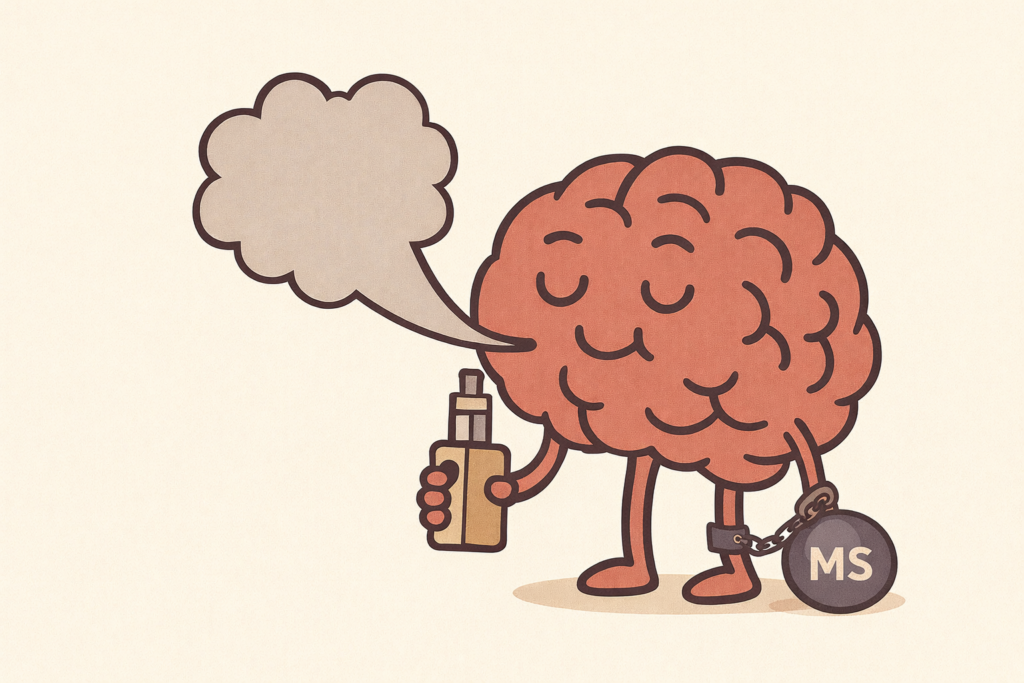
Marijuana is being used to provide symptom relief for many conditions. In MS, it comes with both risks and benefits.
While studies of marijuana use for symptomatic control in people living with MS have had inconsistent results, it is widely used in well-reputed MS centers for pain control. It is legally sold at marijuana dispensaries in many states. The different modes of administration include smokeable products; vaping cartridges; edibles in the forms of beverages, oils, candies, and baked goods; and topical skin application of oils and creams.
The benefits of MS used for symptomatic control include
- Decreased nerve pain (arising from damage to the brain and spinal cord)
- Decreased pain from muscle spasm
- Better sleep
- Improved mood
- Reduced tremors
- Potentially reduced opioid use because of lower pain levels
- Better ability to empty the bladder in those suffering from urinary retention
The downside of frequent use is that some people can develop a tolerance or dependence to cannabis. Further, MS patients may experience
- Impaired balance and coordination requiring more assistive devices and increasing fall risk
- Weight gain due to the “munchies” which may affect ambulation and overall general health.
- Decreased productivity
- Dizziness
- Sleep disturbances in some
- Cognitive impairment
- Depression
- Loss of benefit over time
- Impairment of judgment
- Vomiting
- Headache
- Cardiovascular problems
- Psychosis in people who have already experienced psychosis or are at-risk
- Some interaction with prescribed medications
It is important to understand what type of marijuana you are taking. Tetrahydrocannabinol (THC) and cannabidiol (CBD) are the two main active chemicals in marijuana. Some products contain mostly CBD, Others THC and some a combination of the two. Both THC and CBD bind to naturally occurring receptors in the Central Nervous System, which is comprised of the brain and spinal cord. Cannabinoid receptors are also found in the bladder, which may explain why these substances may reduce urinary retention. The jury is still out as some studies have shown cannabinoids do not help with bladder symptoms.
THC is “psychoactive”, which means that it alters mental state, often referred to as being “high”. CBD, on the other hand, does not alter mood. The psychoactive profile may be reflected in sleep patterns. The varying experience on benefit for vs disturbance in sleep may stem from the different strains of marijuana. Indica is more calming and conducive to sleep. Sativa is more stimulating. Regardless of the type of cannabis used, heavy doses tend to disturb sleep.
Some research has shown Marijuana to have effects on inflammation reduction and immunosuppressive properties. Research is still limited and Marijuana should be used for symptomatic control at this time and not for prevention of disease progression.
The decision to use marijuana for symptomatic control is a personal one as there are both upsides and downsides. The BeCare MS app can help you follow your neurologic and cognitive function to determine is you are having adverse effects. Be empowered. Become a driver in your own MS journey.