Blog

Understanding the Role of the Occipital Nerves and Occipital Nerve Blocks in Migraine

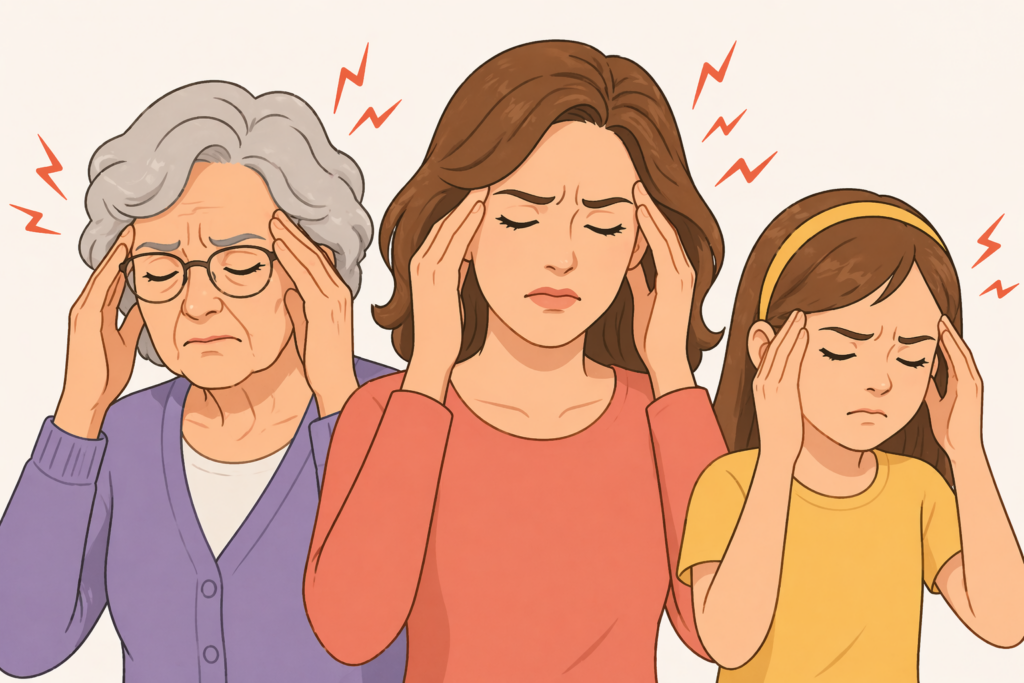
Migraines are far more than “just headaches.” For millions of people, migraines can cause disabling pain, nausea, sensitivity to light and sound, and interruptions to work, family life, and daily functioning. One area of growing interest in migraine treatment involves the occipital nerves—important nerves located at the back of the head—and a procedure called an […]

Understanding the Role of the Occipital Nerves and Occipital Nerve Blocks in Migraine Read More »

Drug Classes Increase Dementia Risk

A recent article identified four classes of drugs that may increase the risk of developing dementia. 1.Anticholinergic Medications – Commonly found in bladder medications, sleep aids, and allergy medications (such as Benadryl) – These meds block acetylcholine, a key neurotransmitter for memory and learning. – Long-term use has been linked to increased dementia risk and

Drug Classes Increase Dementia Risk Read More »

Do Migraines Run in Families?

If you’ve ever heard someone say, “Migraines run in my family,” they’re not imagining it. Migraines aren’t just bad headaches—they’re a complex neurological condition, and genetics plays a meaningful role in who gets them and how severe they can be. But the story isn’t as simple as inheriting a single “migraine gene.” Let’s break it

Do Migraines Run in Families? Read More »

Understanding Tau, Amyloid, and Synuclein:What They Mean in Brain Diseases

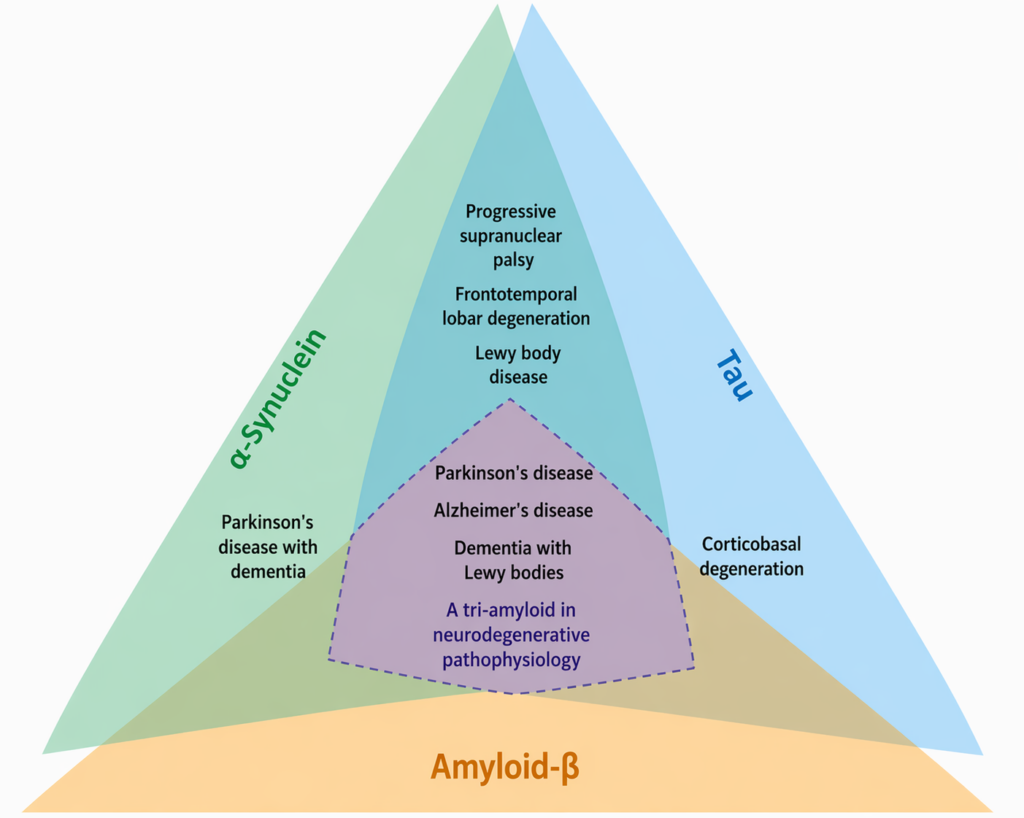
When people hear about conditions like Alzheimer’s disease or Parkinson’s disease, they often come across terms like amyloid, tau, and synuclein. These can sound confusing, but they are simply different types of proteins in the brain. When these proteins behave abnormally, they can damage brain cells and lead to neurodegenerative diseases. Understanding the differences between

Understanding Tau, Amyloid, and Synuclein:What They Mean in Brain Diseases Read More »

When Does Multiple Sclerosis Start? Understanding Onset Across Ages

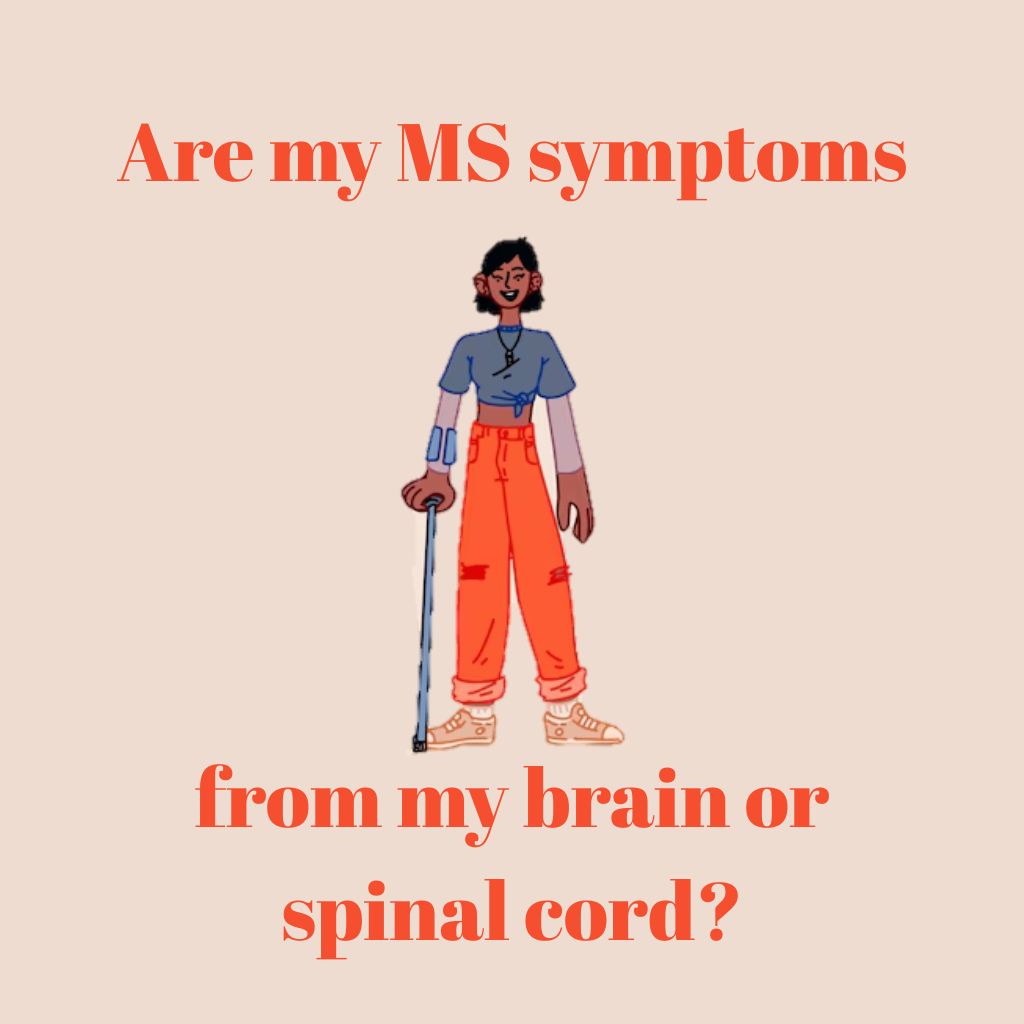
When does MS start? Multiple sclerosis (MS) is a chronic neurologic condition caused by repeated inflammatory attack (or flares) on the central nervous system (the brain and spinal cord). Because the central nervous system controls most cognitive, motor, balance and sensory systems, these flares are expressed in many different ways- such as fatigue, imbalance, motor

When Does Multiple Sclerosis Start? Understanding Onset Across Ages Read More »